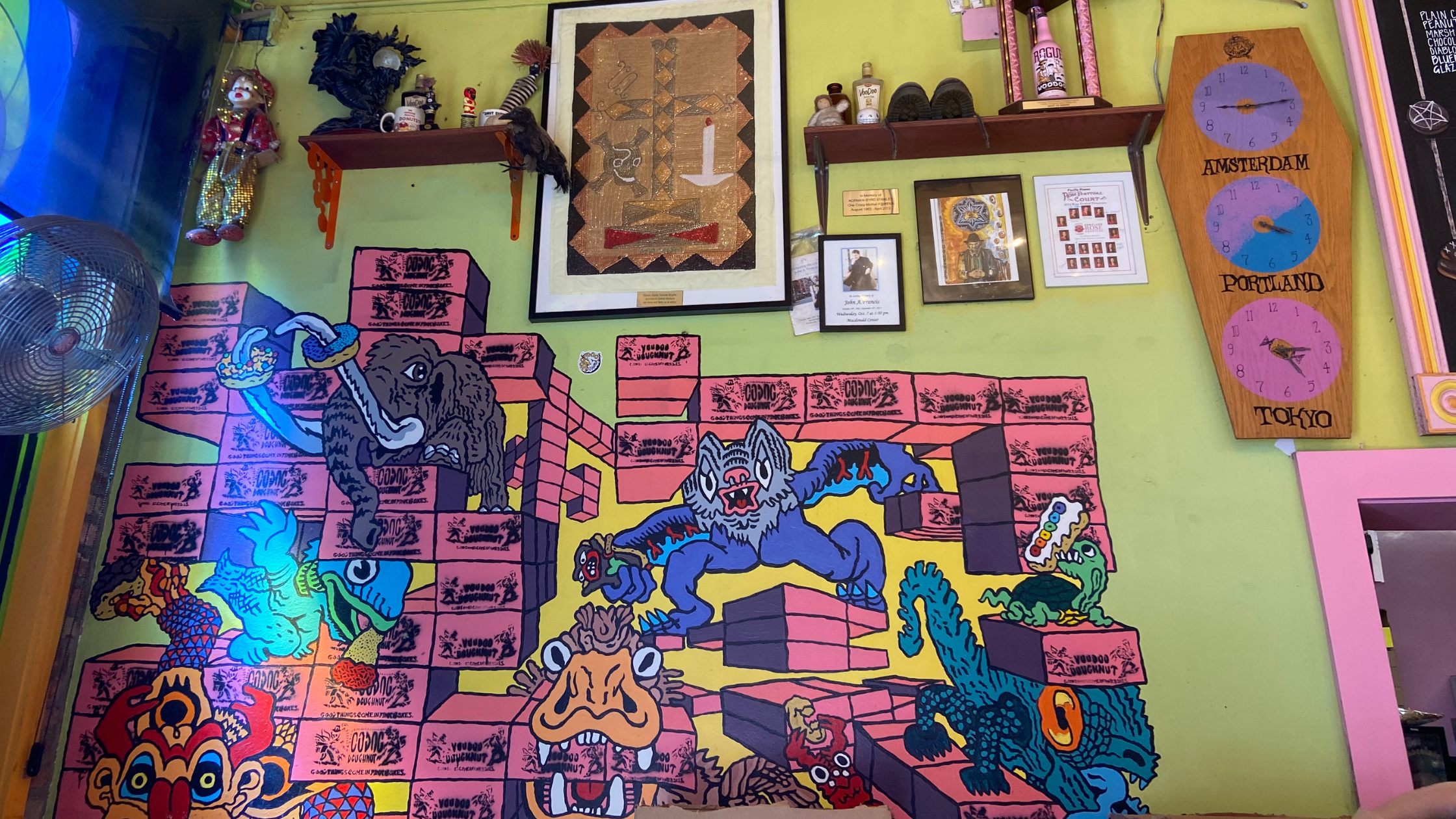
Saigon is the liberal counterpoint to Hanoi’s bureaucratic conservatism. Removed from the political center, it seems to breathe more freely. Public walls are alive with color, covered in bold, socially-slanted messages that brighten the streets. Diversity feels more visible here: beyond the primarily Indochinese population, one notices Europeans, Americans, and travelers from across the world. This cosmopolitan energy is reflected in the city’s younger generation, who appear focused on better opportunities, economic security, and higher living standards. Maslow’s hierarchy of needs, one might say, is alive in Saigon’s aspirations.
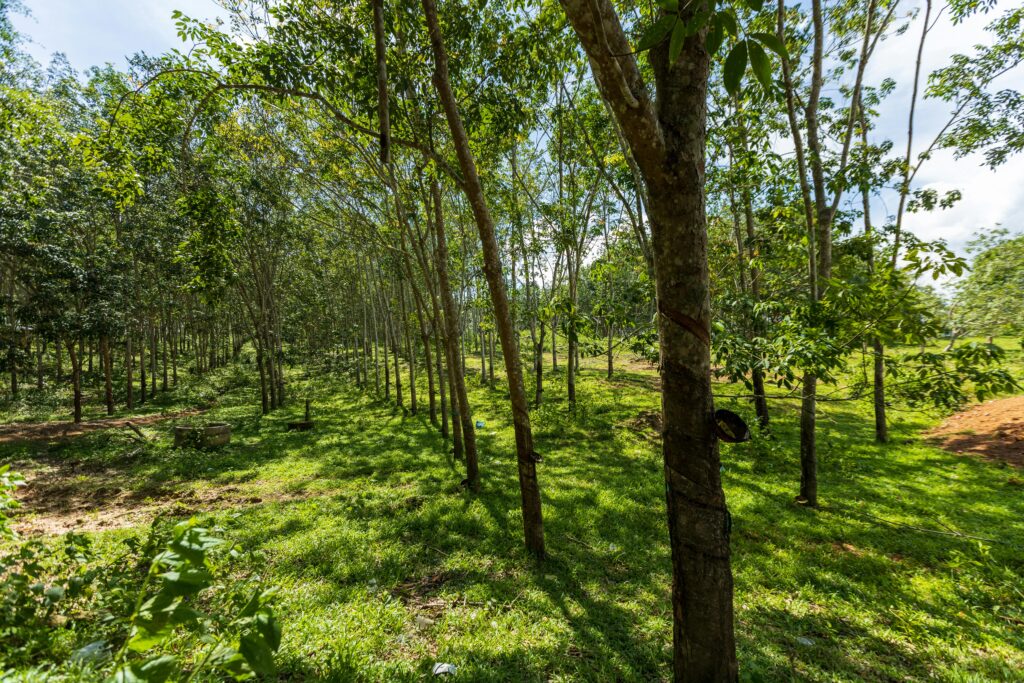
From the southern edge of the Mekong Delta, where our boat leaves us, we drive two hours north toward the city. Along the way, miles of rubber trees stretch endlessly—Vietnam’s “white gold.” The name comes from the milky latex tapped from the trees, a resource that fueled prosperity, especially during the colonial era. In 1925, the Michelin Tire Company established vast plantations near Saigon, creating the country’s largest estate. Even today, Vietnam is the world’s third-largest supplier of natural rubber, after Thailand and Indonesia.
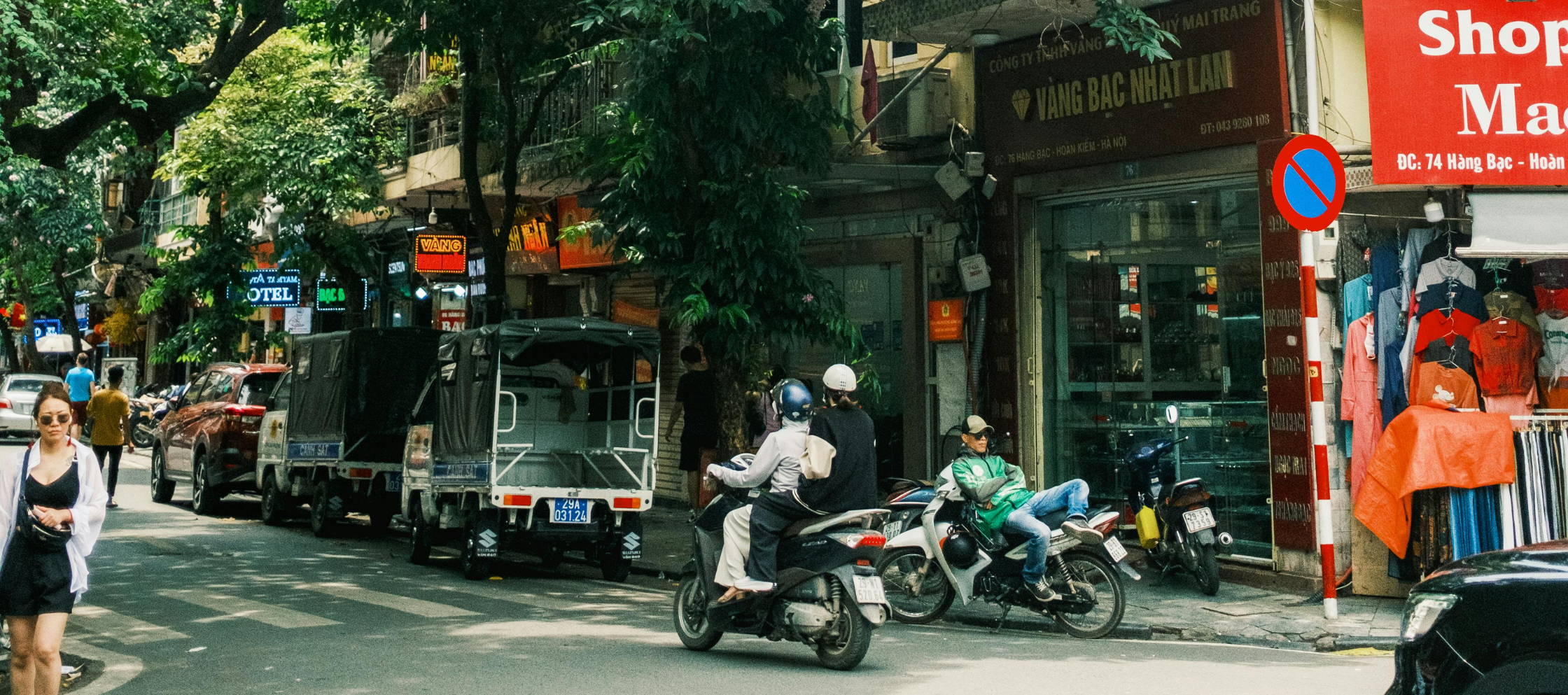
As we near the city, traffic jolts into motion every time the lights turn green. There is no yellow here, no pause—only the urgent roar of motorbikes and the crush of humanity. Crossing the street feels like an existential gamble, as though we must call upon the laws of reincarnation just to reach the other side.
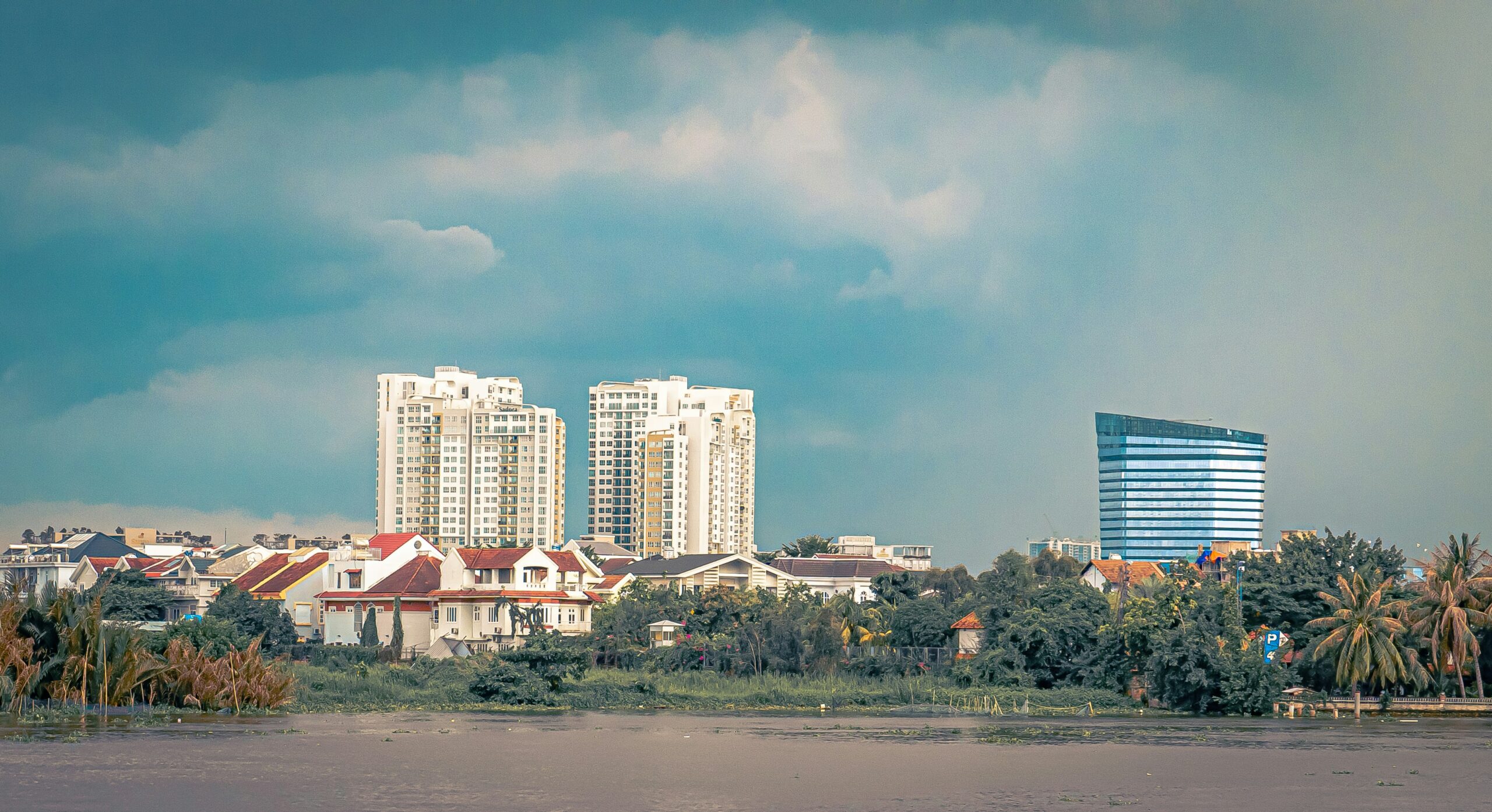
Before the 17th century, Ho Chi Minh City was a Khmer port called Prey Nokor, part of Cambodia until it was annexed by Vietnam. Later, it became the capital of French Indochina, then of South Vietnam, until its fall to the North in 1975. A unified Vietnam emerged under Ho Chi Minh the following year. The transition was turbulent, and though the official name is Ho Chi Minh City, the older name—Saigon—still lingers affectionately in memory. Today, with a population of over 14 million, it is Vietnam’s financial heart, contributing a quarter of the national GDP. Its airport is the largest, its seaport the busiest, and its industries—from finance to medical tourism—have made it a regional force on the world stage.
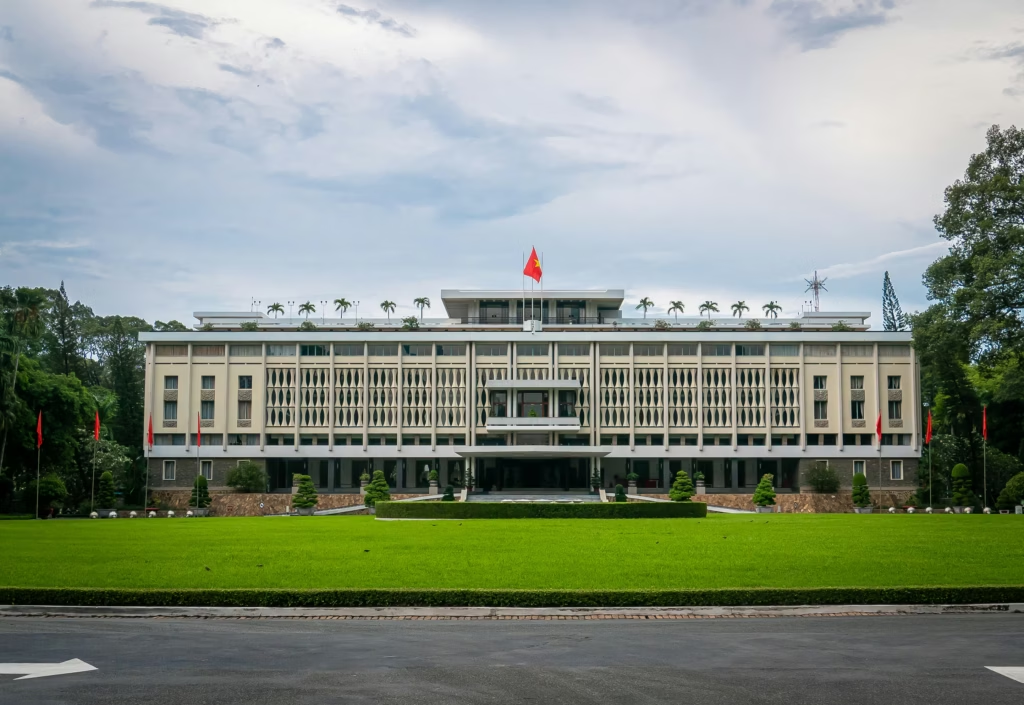
We orient ourselves by visiting its architectural gems: Reunification Hall, once the seat of the South Vietnamese government; the 19th-century Central Post Office designed by Gustave Eiffel; and the Notre Dame Cathedral, undergoing massive restoration until 2027. Then, we steel ourselves for a more sobering destination: the Củ Chi Tunnels.
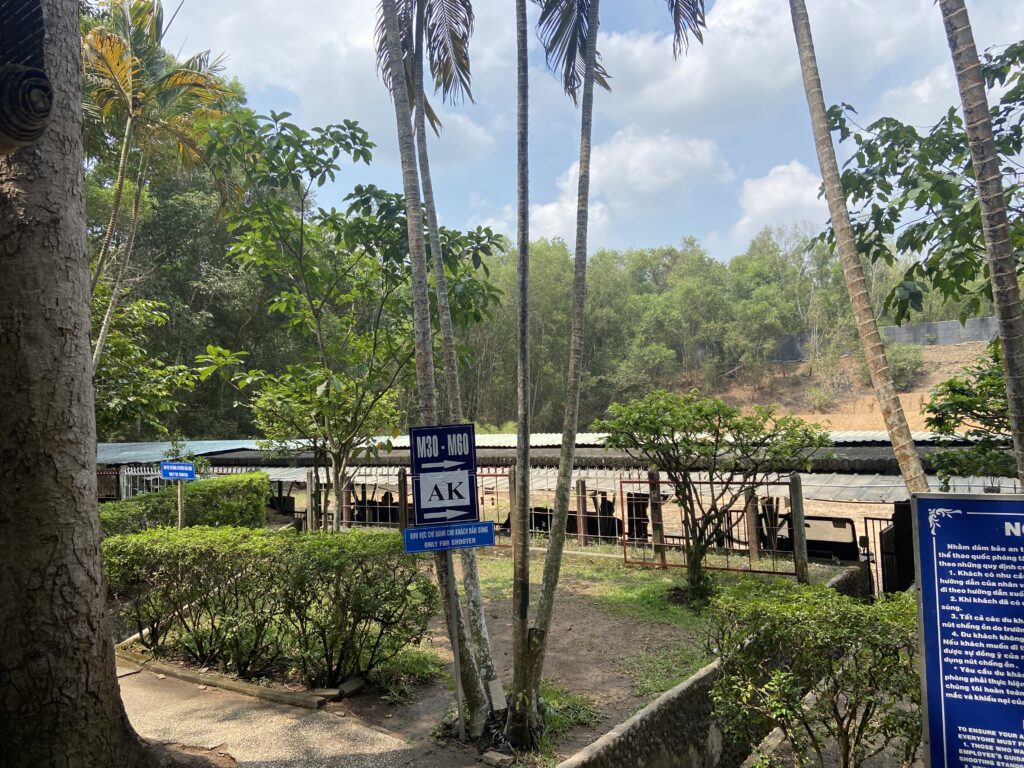
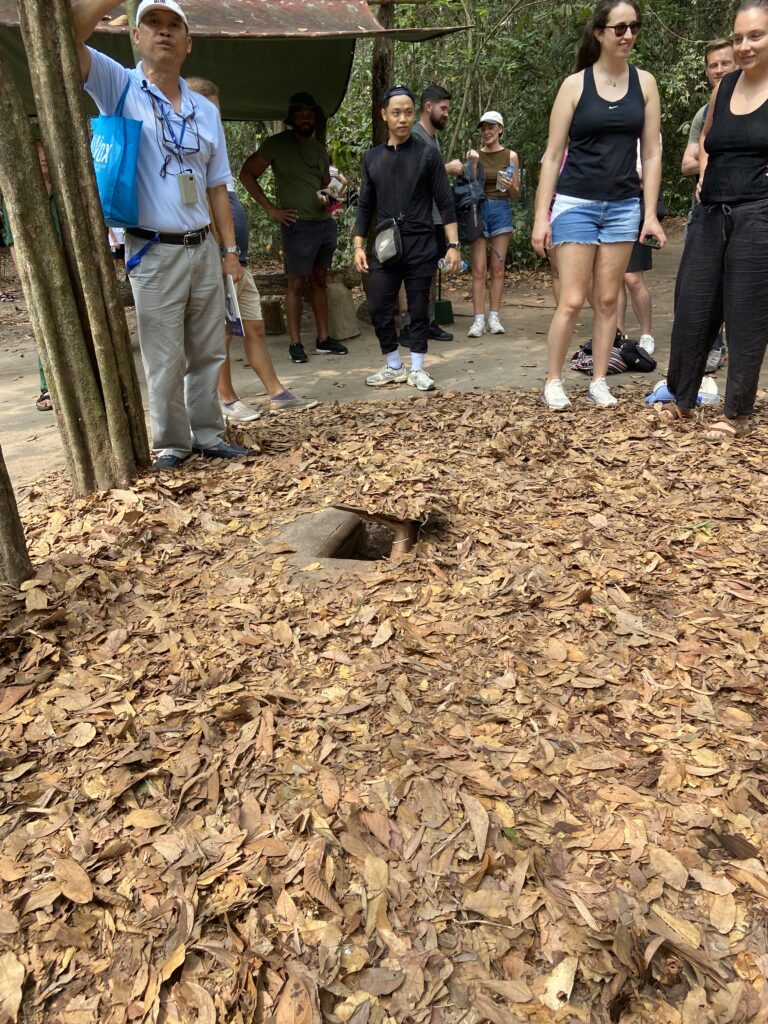
It takes more than two hours by bus, weaving through crowded streets and overflowing markets, to reach them. What we find is a subterranean world of astonishing complexity: more than 250 kilometers of underground passages first dug by the Viet Minh in 1948.
The Viet Minh—formally the League for the Independence of Vietnam—was a nationalist movement founded by Ho Chi Minh during World War II. They fought against Japanese occupation and later against French colonial rule, laying the groundwork for Vietnam’s struggle for independence.
In the 1960s, their successors, the Viet Cong (officially the National Liberation Front), expanded the tunnels dramatically.
…the tunnels became not only hiding places but lifelines.
The Viet Cong were a communist-led guerrilla force in South Vietnam, supported by the North. Using ambushes, sabotage, and relentless guerrilla tactics, they sought to undermine the South Vietnamese government and its American allies.
At its height, the network stretched from the outskirts of Saigon to the Cambodian border. It contained everything—living quarters, hospitals, kitchens, workshops, storage rooms, even schools and makeshift cemeteries. Life underground was brutal. Air, food, and water were scarce. Soldiers lived among snakes, scorpions, centipedes, and rats. Malaria killed almost as many as battle wounds.
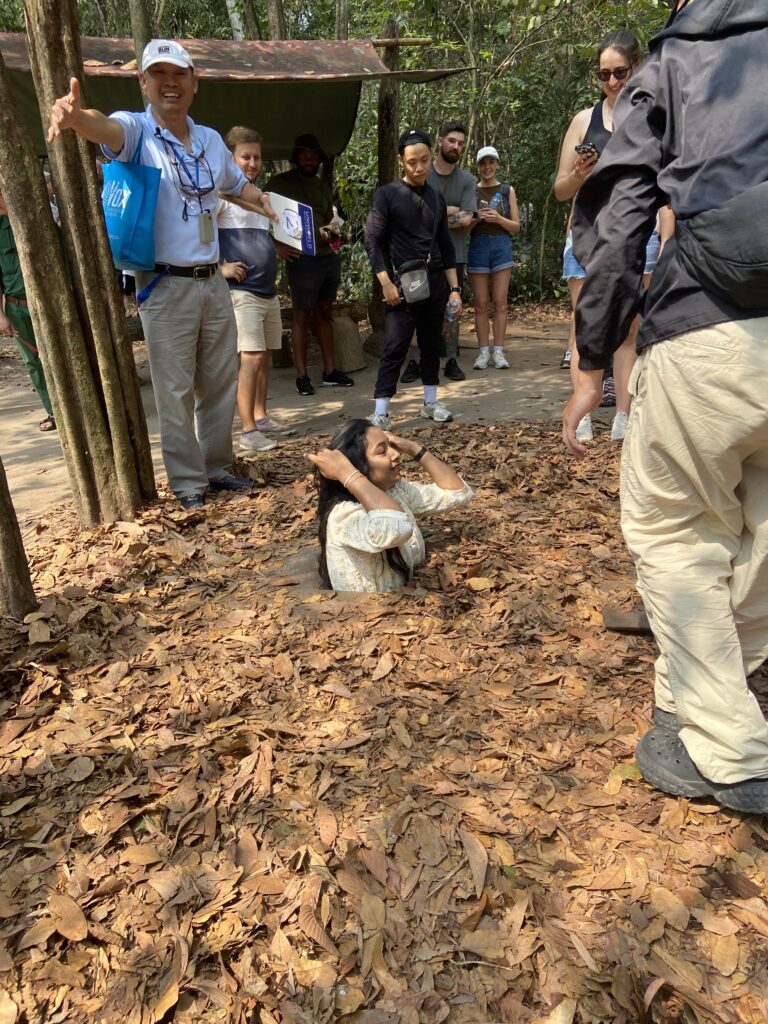
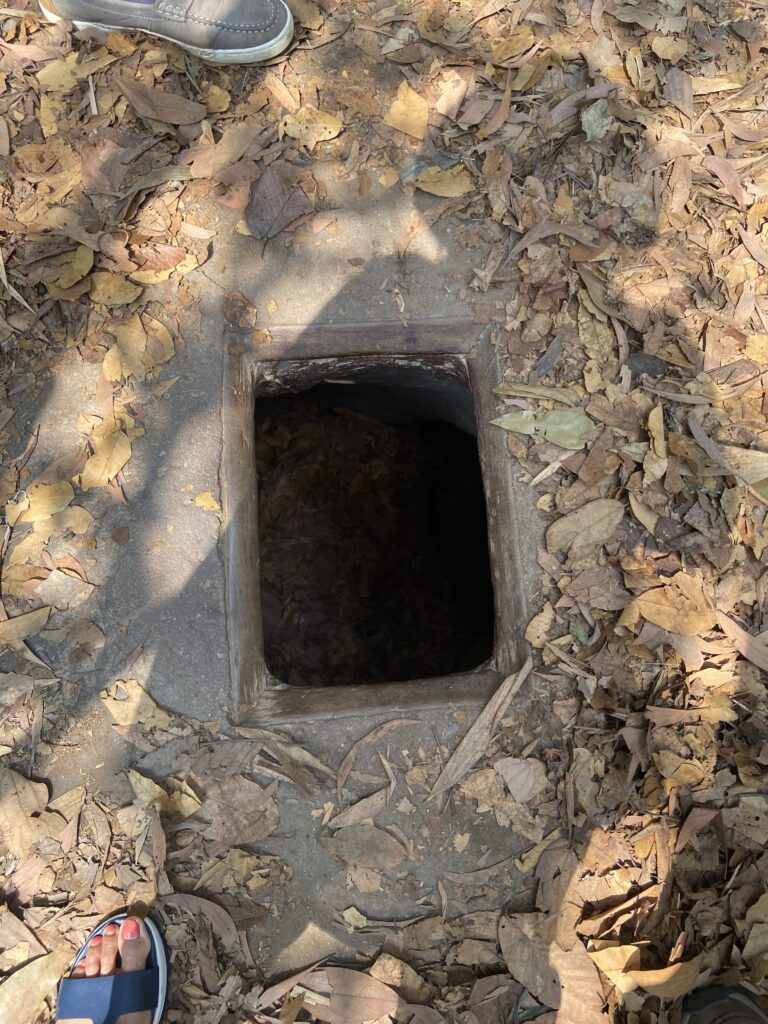
The tunnels gave the Viet Cong a decisive advantage.
…the tunnels were hiding places, supply routes, communication centers, and staging grounds for guerrilla attacks.
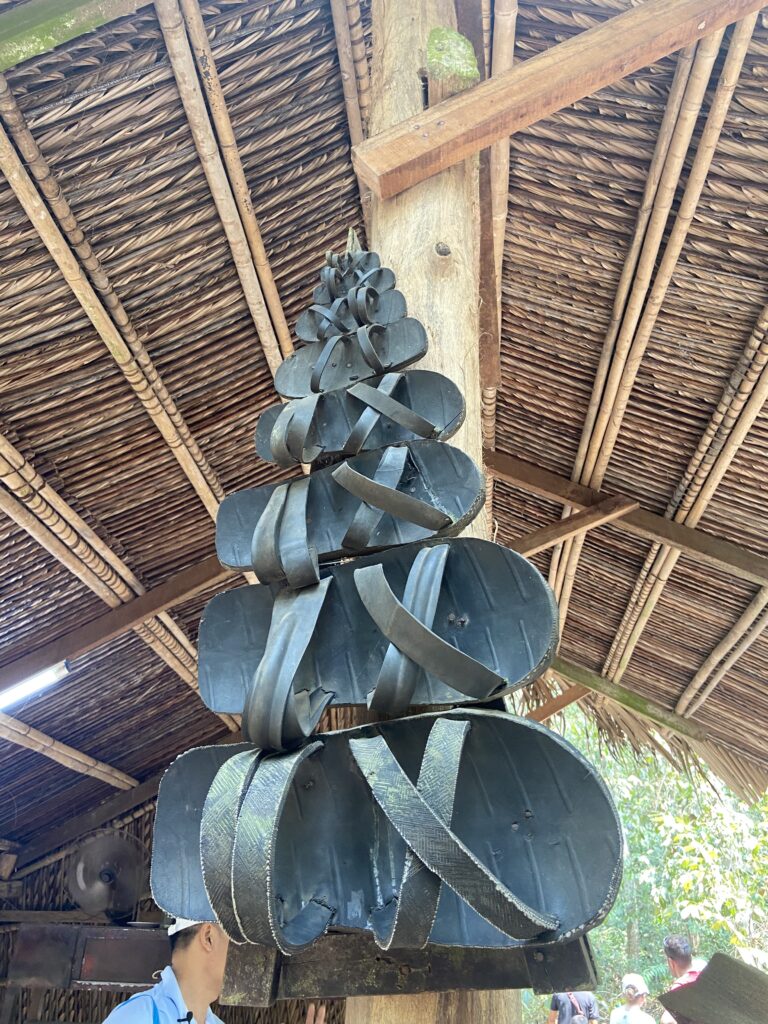
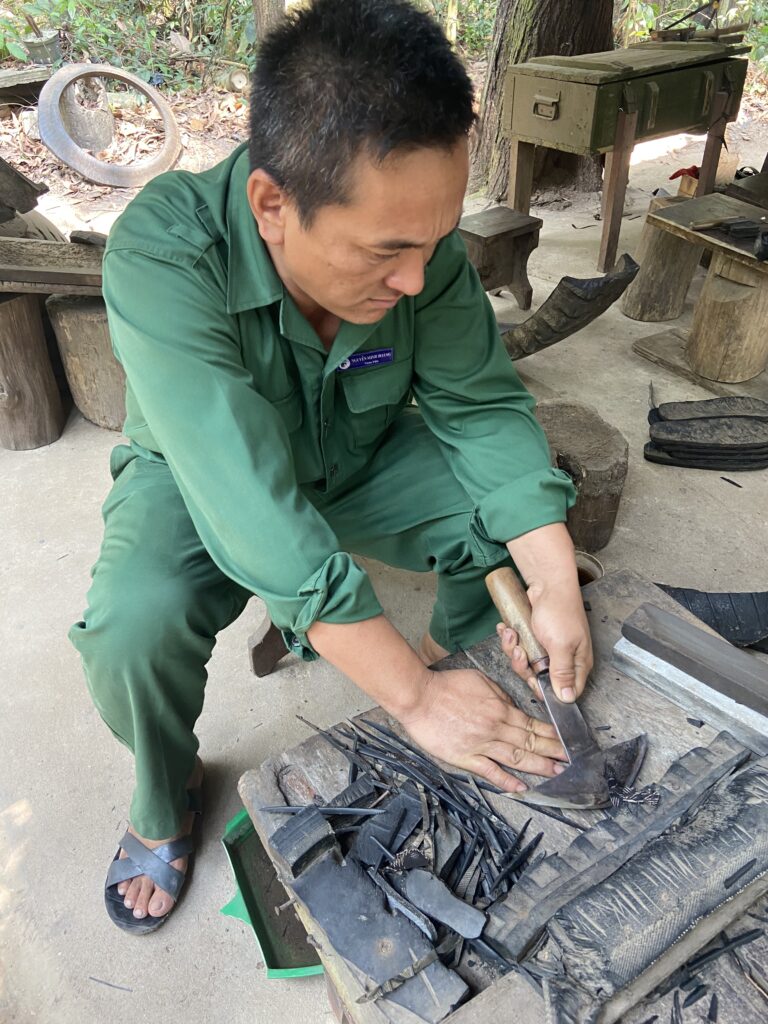
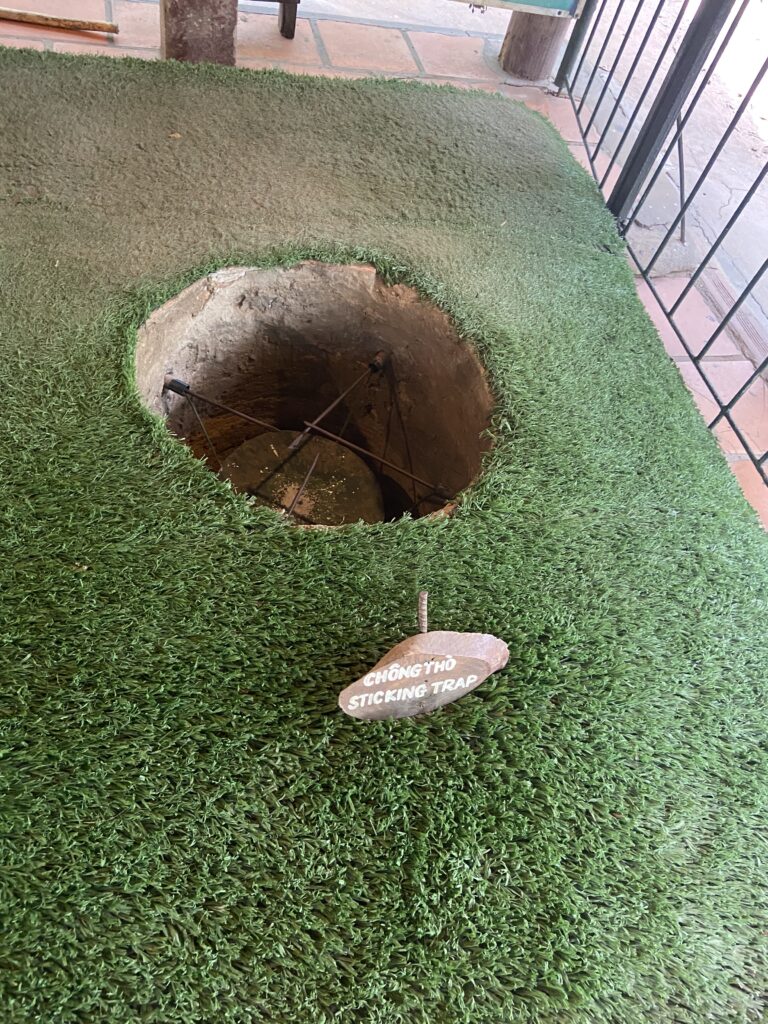
U.S. forces launched massive campaigns—Operation Crimp in 1966 and Operation Cedar Falls in 1967—bombing the jungle into a moonscape.
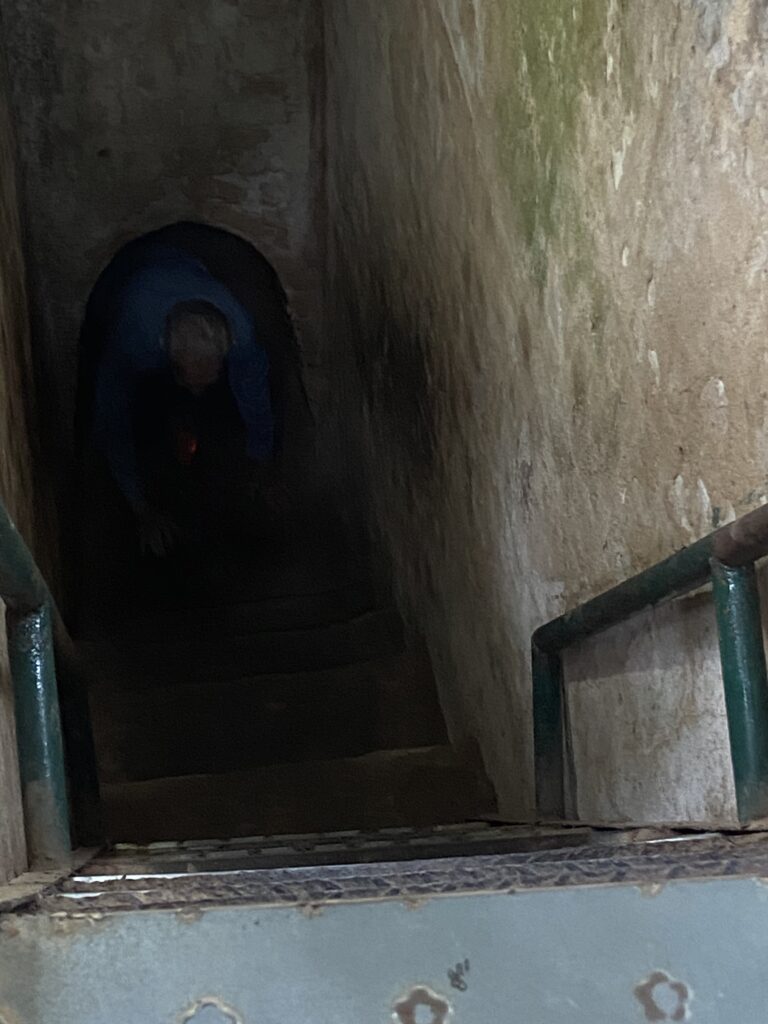
Today, portions of the tunnels are preserved as a war memorial. Crawling inside, one feels a hollowed-out sadness—the kind that remembers suffering but cannot quite move beyond it.
Crawling inside, one feels a hollowed-out sadness.
The tunnels are a symbol of revolutionary heroism, yes, but they are also a reminder of war’s futility.